Yom Kippur, or the Day of Atonement, is the holiest day on the Jewish calendar. It is a solemn day for fasting, prayer, and reflection when Jewish people seek forgiveness from God and others. The observance invites deep spiritual introspection and marks the culmination of the High Holy Days.
What is Yom Kippur’s Meaning and Significance?
In Jewish tradition, Yom Kippur marks the final opportunity to repent before God as the Book of Life is sealed for another year. This day marks the culmination of the Ten Days of Repentance, beginning and ending with Rosh Hashanah and Yom Kippur respectively. Yom Kippur offers Jews the final opportunity of the holy season to repent of their sins. This is why Rosh Hashanah and Yom Kippur are referred to as the High Holy Days as they go hand-in-hand.
When is Yom Kippur in 2026?
Yom Kippur occurs on the 10th day of Tishrei on the Hebrew calendar, typically falling in September or October each year. In 2026, it begins at sunset on September 20 and ends at nightfall on September 21. During this 25-hour period, Jewish people around the world fast, pray, and reflect.
When is Yom Kippur in the Bible?
The origins of Yom Kippur in the Bible are found in the Book of Leviticus, where God commands the Israelites to observe a sacred day of atonement. It is described as a “Sabbath of Sabbaths”, highlighting its unmatched holiness and purpose: spiritual purification.
“This is to be a lasting ordinance for you: On the tenth day of the seventh month you must deny yourselves and not do any work—whether native-born or an alien living among you—because on this day atonement will be made for you, to cleanse you. Then, before the LORD, you will be clean from all your sins. It is a sabbath of rest, and you must deny yourselves; it is a lasting ordinance” (Leviticus 16:29–32).
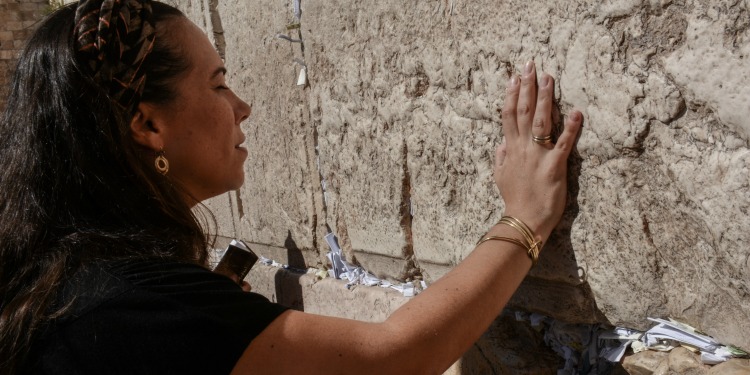
During Yom Kippur, Jews fulfill this biblical commandment by fasting from food and water, engaging in intense soul-searching, and praying for forgiveness.
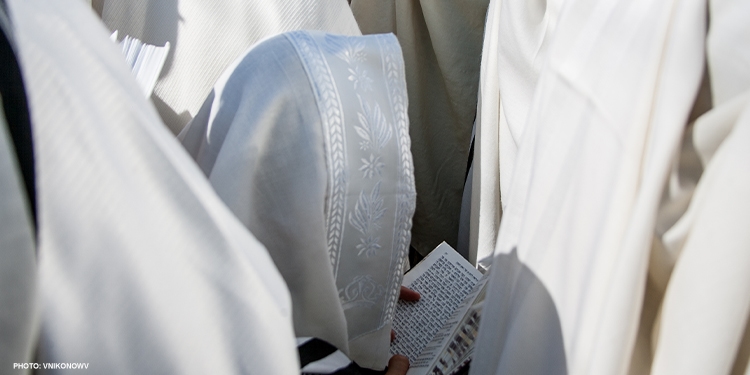
From the evening of the holiday until sundown the following day (except for the few hours when they go home to sleep), Jews are in the synagogue beseeching God for forgiveness and reflecting upon the course of their lives. An entirely different synagogue liturgy is used every year only on this day.
Yom Kippur Meaning Throughout History
The history of Yom Kippur begins in the Torah, where God instructs Moses to designate a sacred day of atonement for the Israelites. In the Book of Leviticus, the rituals for atonement included animal sacrifices performed by the High Priest in the Temple, symbolizing purification and forgiveness for the people of Israel.
This foundational observance established Yom Kippur as the holiest day of the year, intended not only for abstaining from physical pleasures but also for spiritual renewal and reconciliation with God.
How Has the Day of Atonement Changed?
The destruction of the Second Temple in 70 C.E. marked a significant turning point in the way Yom Kippur was observed. With the altar no longer available for sacrificial offerings, the Jewish people adapted by embracing prayer, fasting, and repentance as central practices.
The synagogue gradually replaced the Temple as the focal point of communal worship. The Kol Nidre service recited on the eve of Yom Kippur, and the Neilah service, which closes the day and symbolizes the sealing of the Book of Life, became key elements of the day’s observance.
What is Yom Kippur Like Today?
Today, Yom Kippur continues to be a profound day of fasting, introspection, and communal prayer for Jewish people worldwide. While the form of worship has evolved, the Yom Kippur meaning remains unchanged: it is a time to seek forgiveness, evaluate one’s actions, and renew the commitment to a life guided by faith and righteousness. The rituals, prayers, and communal unity that define modern Yom Kippur serve as a living bridge between ancient tradition and contemporary spiritual life.
How to Observe Yom Kippur: A Day of Purification
Yom Kippur Fasting
The observance includes several unique prayers and services, such as the Kol Nidre, which is recited on the night before the Day of Atonement. This powerful Yom Kippur prayer involves the annulment of vows, symbolizing a fresh start for the year ahead. The day continues with the recitation of the Vidui (a confession of sins), and the Neilah service, which marks the closing of Yom Kippur. Neilah concludes with a long, final blast of the shofar, signaling the end of the fast and the hope that one’s prayers have been accepted.
Fasting on Yom Kippur is a physical act meant to prod Jews on to spiritual matters. It is a reminder of the frailty of human existence and of the duty to act charitably toward the less fortunate. The inspiring, yet sobering, words of Isaiah 58 are read publicly in the synagogue to reveal the true meaning of the Yom Kippur fast:
“Is not this the kind of fasting I have chosen: to loose the chains of injustice and untie the cords of the yoke, to set the oppressed free and break every yoke? Is it not to share your food with the hungry and to provide the poor wanderer with shelter—when you see the naked, to clothe him, and not to turn away from your own flesh and blood?” (Isaiah 58:6–7).
Learn more about the Book of Jonah, which is traditionally read in synagogue during Yom Kippur prayer and how its message of repentance, forgiveness, and second chances relate to this holy observance.
What Are The 5 Rules of Yom Kippur?
Yom Kippur is also characterized by its five prohibitions, which include refraining from:
- Eating and drinking
- Wearing leather shoes
- Bathing
- Anointing oneself with perfumes or lotions, and
- Marital relations.
These acts of abstention are designed to minimize physical distractions, allowing individuals to focus entirely on their spiritual selves.
This is a day of inner purification and of reconciliation with God and fellow human beings. Those sins committed against their fellow man require that Jews personally seek forgiveness from those they have offended, as well as from God.
Yom Kippur Greetings
On Yom Kippur, the greetings one extends to family, friends, and community members carry a deep significance, reflecting the solemnity and introspection of the day. Unlike the more joyous expressions shared during other Jewish holidays, Yom Kippur greetings are imbued with wishes for atonement, reflection, and renewal. Here are some of the most meaningful greetings you can use to convey your heartfelt wishes during the Day of Atonement.
- Tizku Leshanim Rabot–May you merit many years.
- Tizku LeShanim Tovot-May you merit good years.
- Chatimah Tovah-A good final sealing.
- Tzom Kal-Easy fast.
- G’mar Chatima Tova-May you finish with a good sealing.