The Day of Atonement — Yom Kippur September 20, 2026 Learn the meaning of Yom Kippur (יום כיפור) and discover its connection to atonement, forgiveness, repentance, prayer, and spiritual renewal.
Let's Give Heed to the Day of Judgment — Unetanah September 18, 2026 Today, you'll learn the Hebrew phrase Unetanneh Tokef and discover why it remains one of the most cherished prayers in Jewish worship.
Renew — Lichadesh September 17, 2026 Learn the meaning of the Hebrew word Lichadesh (לחדש), and discover its connection to spiritual growth, hope, and renewal.
Sanctification — Kiddish September 16, 2026 Learn the meaning of the Hebrew word Kiddush (קידוש), the blessing recited over wine to sanctify Shabbat and Jewish holidays.
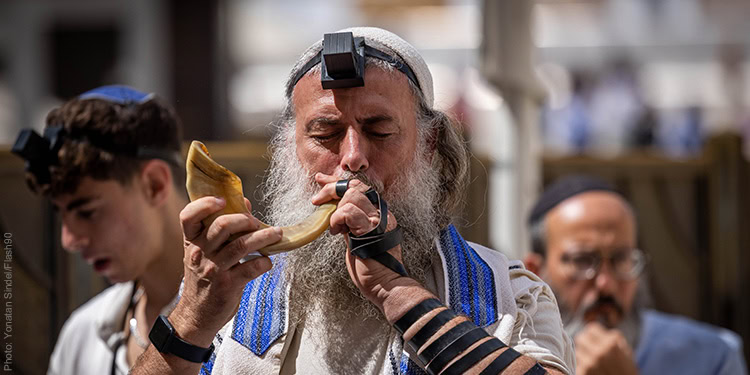
Ritual Trumpet — Shofar September 15, 2026 Discover the meaning of the Hebrew word shofar (שופר), its biblical origins, spiritual significance, and role in Jewish traditions.
To cast away our sins into a body of water September 14, 2026 Today, you'll learn the Hebrew word Tashlikh and discover why this beloved tradition has become an important part of the Jewish New Year.
Repentance — Teshuvah September 13, 2026 Learn the meaning of the Hebrew word Teshuvah (תשובה)and discover its biblical significance and how it represents returning to God.
Day of Judgment — Yom HaDin September 11, 2026 Hebrew phrase Yom HaDin (יום הדין), or "Day of Judgment," and explore its significance in Jewish faith and practice.
The test was really hard. — Hamivchan Hayah Mamash Kasheh. September 10, 2026 Learn the Hebrew phrase for 'That test was really hard.' Master expressions for discussing challenging exams in Hebrew.
Do you like school? — Ha’im atah Ohev At Beit September 9, 2026 Explore the Hebrew phrase for 'Do you like school?' and expand your vocabulary for talking about learning and school life.
I have to buy school supplies — Ani Tzricha Liknot September 8, 2026 Learn the Hebrew phrase for 'I have to buy school supplies' and enhance your back-to-school conversations with ease.
I have to study for the test. — Ani Tzricha September 7, 2026 Learn the Hebrew phrase for 'I have to study for the test' and enhance your school-related vocabulary in Hebrew.