In contrast to the solemnity and introspection of the High Holy Days that directly precede it, Sukkot, also known as the Festival of Tabernacles or the Festival of Booths (festival is interchangeable with feast), brings an atmosphere of joy, reflecting the biblical command to “Be joyful at your feast” (Deuteronomy 16:14). That is why Sukkot is known as “the time of our happiness.”
As described in the Book of Leviticus, the Feast of Booths is a time for the Jews to rejoice in God’s bounty, whether it’s His salvation in taking them out of bondage in Egypt or providing them with a plentiful harvest. In other words, the ultimate Sukkot meaning is our trust in God and relying completely on our relationship with Him.
What Exactly Does Sukkot Celebrate?
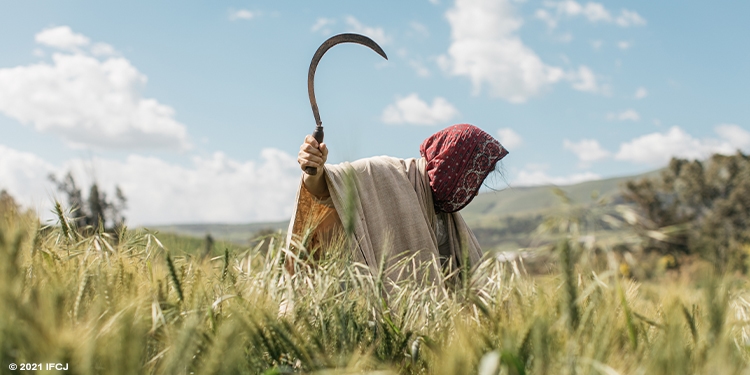
Like many Jewish holidays, Sukkot commemorates a number of religious and historical motifs. It has roots as a fall harvest festival, and some suggest it is one of the precursors and inspirations for the American Thanksgiving. In Israel, the harvest of grapes, olives, and other crops ends at this time of year. It’s a time when Israel’s farmers wait in hope for the first rain and the start of a new and fertile planting year.
Sukkot also commemorates the Jews’ wanderings in the wilderness for 40 years under Moses. Today, in the days between Yom Kippur (which marks the end of the High Holy Days) and Sukkot, Jews erect sukkot, booths for temporary dwelling that resemble the structures in which the Israelites lived in the desert after their Exodus from Egypt.
When is Sukkot, The Festival of Tabernacles?
Jews celebrate Sukkot in the fall, four days after Yom Kippur, the Day of Atonement. The Feast of Booths is an eight-day holiday (seven days in Israel) that begins at sundown on September 25, 2026, and concludes at nightfall on October 2, 2026. The eight days of Sukkot are grouped into different times of observance and celebration.
Yom Tov: The First Two Days
The first two days of Sukkot are yom tov days. During this time, work is prohibited, and special customs are observed to honor the sanctity of the holiday. Festive meals are enjoyed, beginning with the traditional Kiddush, and challah bread, often dipped in honey to symbolize the sweetness of the season, is shared with loved ones. Candles are lit in the evening to mark the start of the holy days, and families gather to rejoice in God’s provision and protection.
Chol Hamoed: The Intermediate Days
The middle five days are known as Chol Hamoed, the intermediate days of Sukkot. While work is allowed with some restrictions, these are still special days as the Festival of Tabernacles continues with eating meals and spending time outdoors in the sukkah. Every day of Chol Hamoed (except for Shabbat), we take the “Four Kinds” —the lulav, etrog, myrtle, and willow—and perform the traditional blessings, symbolizing unity and gratitude for God’s blessings.
Shemini Atzeret and Simchat Torah
Following Sukkot, from sundown to until nightfall over the next two days, are Shemini Atzeret and Simchat Torah. Although these days are distinct from Sukkot, they are closely connected to the festival. Shemini Atzeret is a time to reflect, rejoice, and pray for rain for the upcoming year, while Simchat Torah marks the completion of the annual Torah reading cycle. We dance, sing, and celebrate the gift of the Torah, recognizing its central role in our lives and faith.
Download our Sukkot crossword and challenge your friends and family!
Download our Sukkot word search and challenge your friends and family!
Sukkot as a Holiday of Unity
The Feast of Tabernacles is a reminder that a person can have all the material objects in the world, but one of the greatest sources of joy in life is bonding with others. Thus, on Sukkot, we derive great happiness from being together with other people. This is because it’s also a holiday that celebrates unity. The Sukkot meaning and theme of unity is echoed in the gathering of the four species, from four different kinds of trees: citron, date palm, myrtle, and willow.
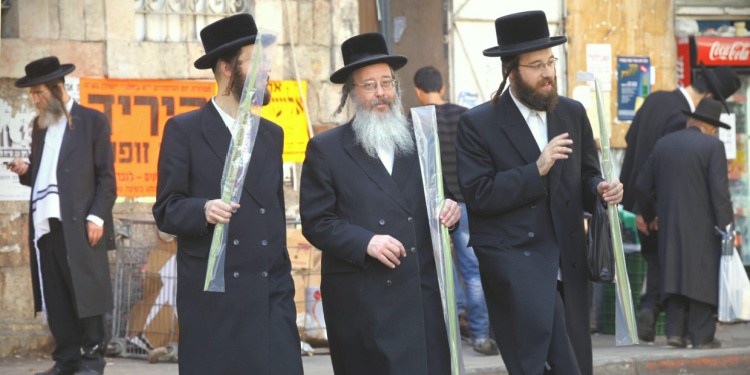
In Scripture, we are directed to “take branches from luxuriant trees—from palms, willows and other leafy trees—and rejoice before the LORD your God for seven days” (Leviticus 23:40). We bind the four elements together and bless them every day of the holiday. According to the Jewish sages, each of the four species represents a different type of person.
A beautiful tradition associated with Sukkot is ushpizin, inviting guests into our sukkah to participate in the celebration. Jews are duty-bound at this time to strengthen the link between themselves and their neighbors and to remove any barriers that might separate them.
Building the Sukkah
Building a sukkah is an activity that can be both fun and meaningful. The Jewish custom is to begin building the sukkah immediately after the conclusion of Yom Kippur. There are many ways to build a sukkah ranging from work-intensive methods to easy-to-build kits that can be purchased in a store. Either way, there are some basic guidelines:
- The roof (sechach) must be made from natural elements from the ground like leaves, offering shade and letting light in.
- Decorate the sukkah with real or faux fruit, vegetables, and other produce symbolizing the harvest.
- Remember to invite people over once it’s finished!
Dwelling in the Sukkah
The family eats meals in the sukkah, which becomes a colorful gathering place for family and friends. Some even sleep there to fulfill the biblical command to “dwell” in the sukkah for seven days.
Sitting in the sukkah is likened to residing within God’s loving embrace. The Jewish sages teach that these basic walls represent God’s arm and the sukkah is His embrace. In Song of Solomon 2:6 we read: “his right arm embraces me.” God’s arm embraces us through the sukkah. The first wall is like God’s arm, the second wall like God’s forearm, and the third smaller wall is like God’s hand. Together they surround us with a hug.
What is Sukkot? Learn through our Fellowship Study about The Festival of Tabernacles.

Sukkot as a Universal Feast Day
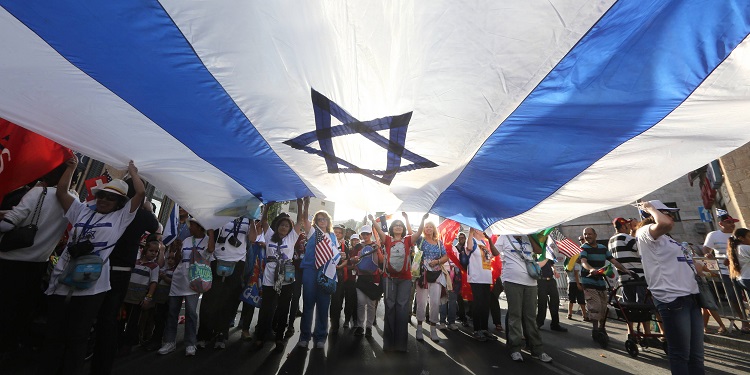
Since the sukkah has assumed a universal messianic symbolism, the sages say that the Festival of Sukkot is the only Jewish holiday that Gentiles will be expected to celebrate in the messianic era. It has become a tradition for Christians to make a pilgrimage to the Holy Land to celebrate Sukkot and participate in the annual Jerusalem March, expressing their solidarity and support for Israel.
We read on the first day of Sukkot, “Then everyone who survives of all the nations that have come against Jerusalem shall go up year after year to worship the King, the LORD of hosts, and to keep the Feast of Booths” (Zechariah 14:16, ESV).
It is for this reason that Jews everywhere on Sukkot pray not only for their own welfare, but for that of the entire world.
Download our complimentary Bible study about Sukkot: A Season of Rejoicing.
Test your knowledge about the Feast of Booths, the most joyous festival of the Jewish year.